

Bank holiday weekends have always been a moment for convenience retail to shine. Longer days, social plans, and a shift towards spontaneous purchasing create the kind of trading conditions that favour well-prepared stores over simply well-stocked ones.
Over long weekends – especially when there is sunshine – plans are typically more spontaneous, and with larger basket spend, as customers act according to the weather, feeling good, and last-minute plans. This is where convenience stores can thrive. According to Mintel, physical retail still dominates, with around 70% of retail spend happening in-store, reinforcing the importance of getting the shop floor right when footfall spikes[1].
Bank holidays, then, are not just busy periods, they are high-margin, impulse-driven trading windows.
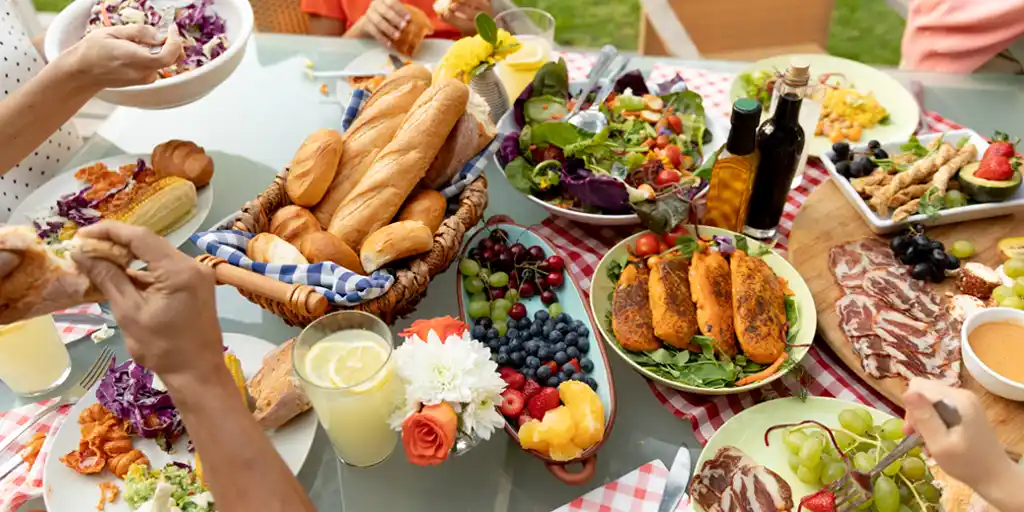
The Bank Holiday Mindset: Spontaneous, Social, Local
What sets a bank holiday apart from a normal weekend is how people shop. Missions become looser. Shoppers are less likely to arrive with a fixed list and more likely to pick up items that enhance a moment, whether that’s a BBQ, a picnic, or an impromptu gathering.
For independent retailers, this plays directly to their strengths. Proximity, speed, and the ability to react quickly to trends mean they are often better placed than larger retailers to capture last-minute spend.
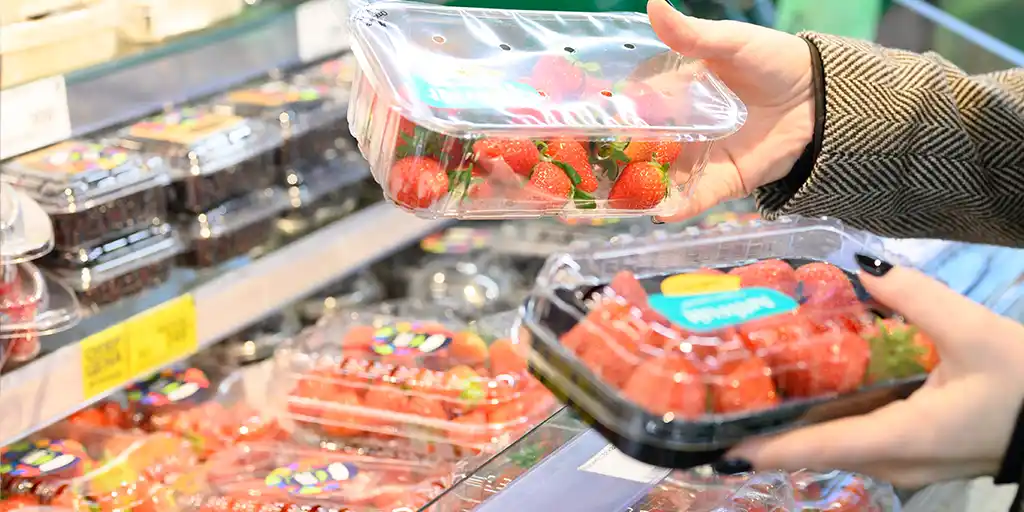
What Drives Sales Over A Bank Holiday Weekend
Success over a bank holiday is rarely about one category. It is about building a store environment that encourages shoppers to trade up and add more to their basket.
- Food-to-go and sharing formats
BBQs, picnics, and casual dining dominate. Retailers who group products together, think meat, sides, drinks, and desserts, make it easier for shoppers to buy into a full occasion rather than a single item.
- Drinks, both alcohol and low/no
Drinks remain a key driver of spend, particularly when positioned around “moments” rather than categories. There is also growing interest in low and no alcohol alternatives, reflecting changing habits among younger shoppers.
- Impulse-led treats and premium cues
Even with tighter budgets, shoppers still look for small indulgences. Premium snacks, sharing bags, desserts, and chilled treats perform strongly when they feel like part of a weekend upgrade.
- Seasonal and weather-led lines
Bank holiday performance is often dictated by the weather. Quick reactions, whether that’s stocking ice, sunscreen, or hot drinks, can make a noticeable difference to sales.
Merchandising For The Moment
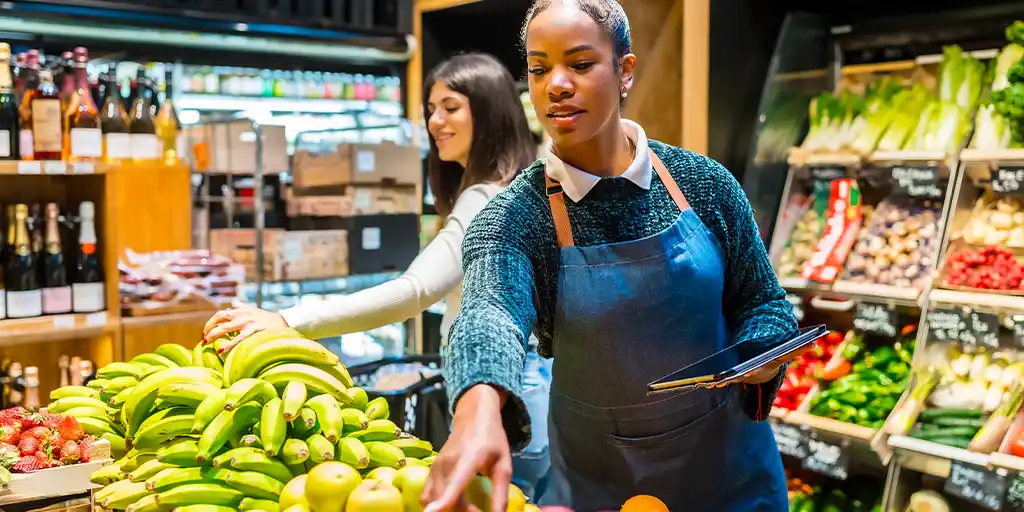
The difference between a good bank holiday and a great one often comes down to execution in-store. Shoppers need to be able to “see the occasion” as soon as they walk in. That means secondary sitings, clear signage, and simple solutions like meal deals or bundled offers that remove friction from decision-making.
This is where convenience stores have an edge. Larger retailers may rely on scale, but independents can create theatre quickly, adjusting displays in real time based on demand. They’re often in areas with higher footfall, where cars aren’t required, leading to more spontaneous purchases.
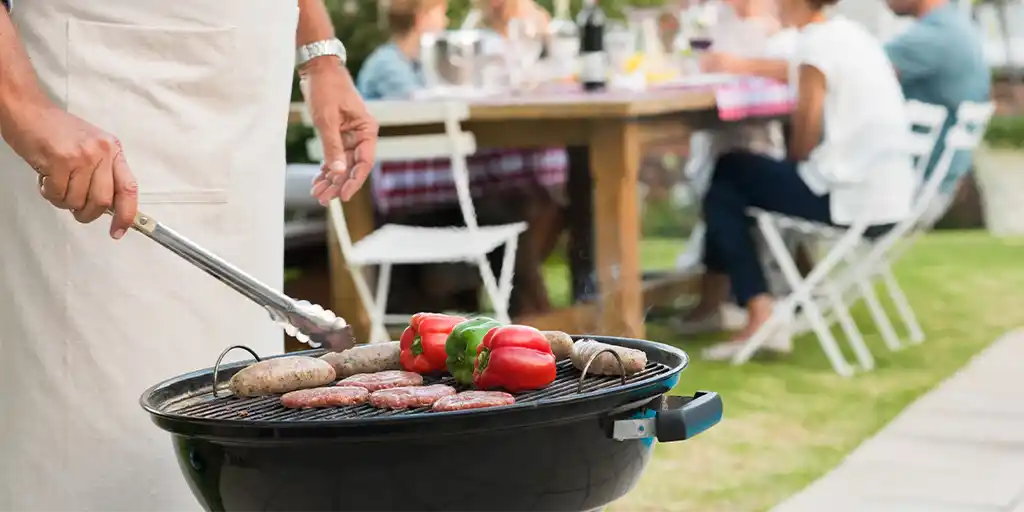
The Last-Minute Rush
Some retailers have been planning for the bank holiday weekend for months. And some consumers do too. But equally, many make very last minute plans. Retailers should look to be ready for action, especially on the Friday evening and Saturday mornings of the bank holiday – and keep stocked up until Monday!
While online continues to grow, especially during major retail events, the bank holiday weekend still plays to the strengths of physical retail. Convenience, immediacy, and the ability to serve local, real-time needs are difficult to replicate digitally.